







Search Results for: burlap sacks
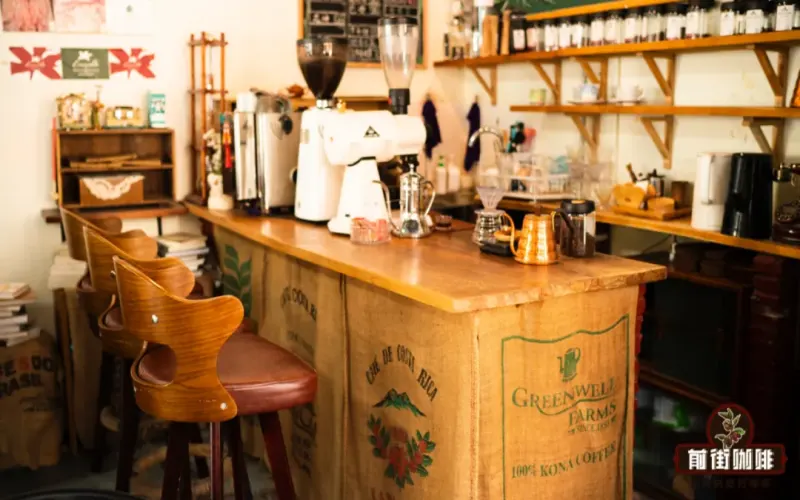
Why Are Green Coffee Beans Traditionally Packed in Jute Bags? How Much Does a Bag Weigh? A Comprehensive Analysis of Coffee Bean Packaging Specifications
Walk into any specialty coffee roasting workshop, and you will most likely see several coarse burlap sacks stacked in a corner, printed with the name of the producing region and the estate logo. This is almost a universal scene in the coffee industry—from Ethiopia to Colombia, the vast majority of green beans choose burlap sacks as their outer layer when crossing mountains and seas. But have you ever wondered why it is burlap specifically? What allows it to replace more modern packaging materials? And what is the standard weight of a sack of green beans? Around these seemingly basic yet rarely examined questions, this article will sort out from the beginning the evolution logic of green coffee bean packaging, the physical advantages of jute material, and the current trend toward diversified packaging forms. [more…]
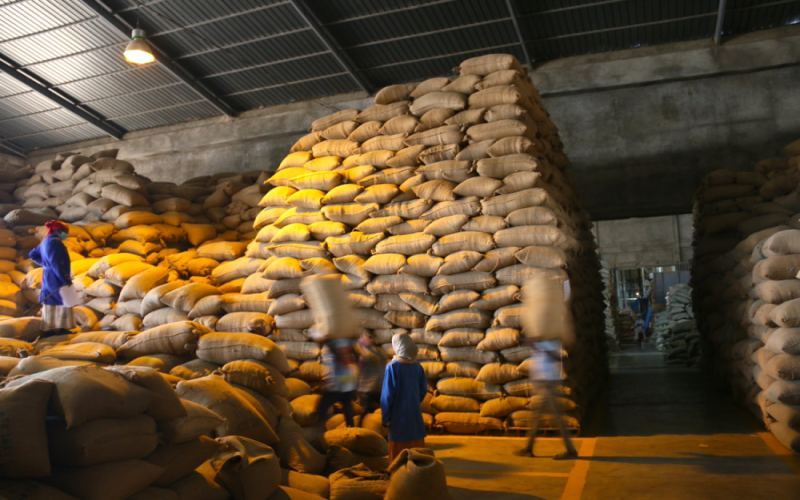
A Complete Guide to Green Coffee Packaging and Storage: From Jute Bags to Vacuum Seals and Freezing Methods
From the moment green coffee beans leave their place of origin and reach the roaster, the packaging and storage methods directly affect the final flavor. In the past, burlap sacks were the mainstream, but today specialty coffee has driven a series of more refined packaging and storage technologies, including vacuum bags, grain bags, and even frozen storage. This article will systematically introduce the commonly used green bean packaging methods, their respective advantages, disadvantages, and costs, and discuss warehouse environment management as well as different understandings of the concept of "seasonal." Whether you are a roaster or a coffee enthusiast, you can learn from this how to better maintain the freshness and quality of green beans. The burlap sacks commonly seen at Front Street stores are also mentioned in the article as one of the most economical options. [more…]
Green Coffee Storage | What Are Green Coffee Packaging Methods? Introduction to Green Coffee Storage Temperature, Humidity, and Shelf Life
Until recent years, all coffee beans were packaged in burlap sacks and transported in shipping containers, only reaching roasters several months after the beans had been processed. If roasters and importers occasionally wanted to cup coffee beans from the place of origin, or taste a "pre-shipment sample," what they received instead would be stored [more…]
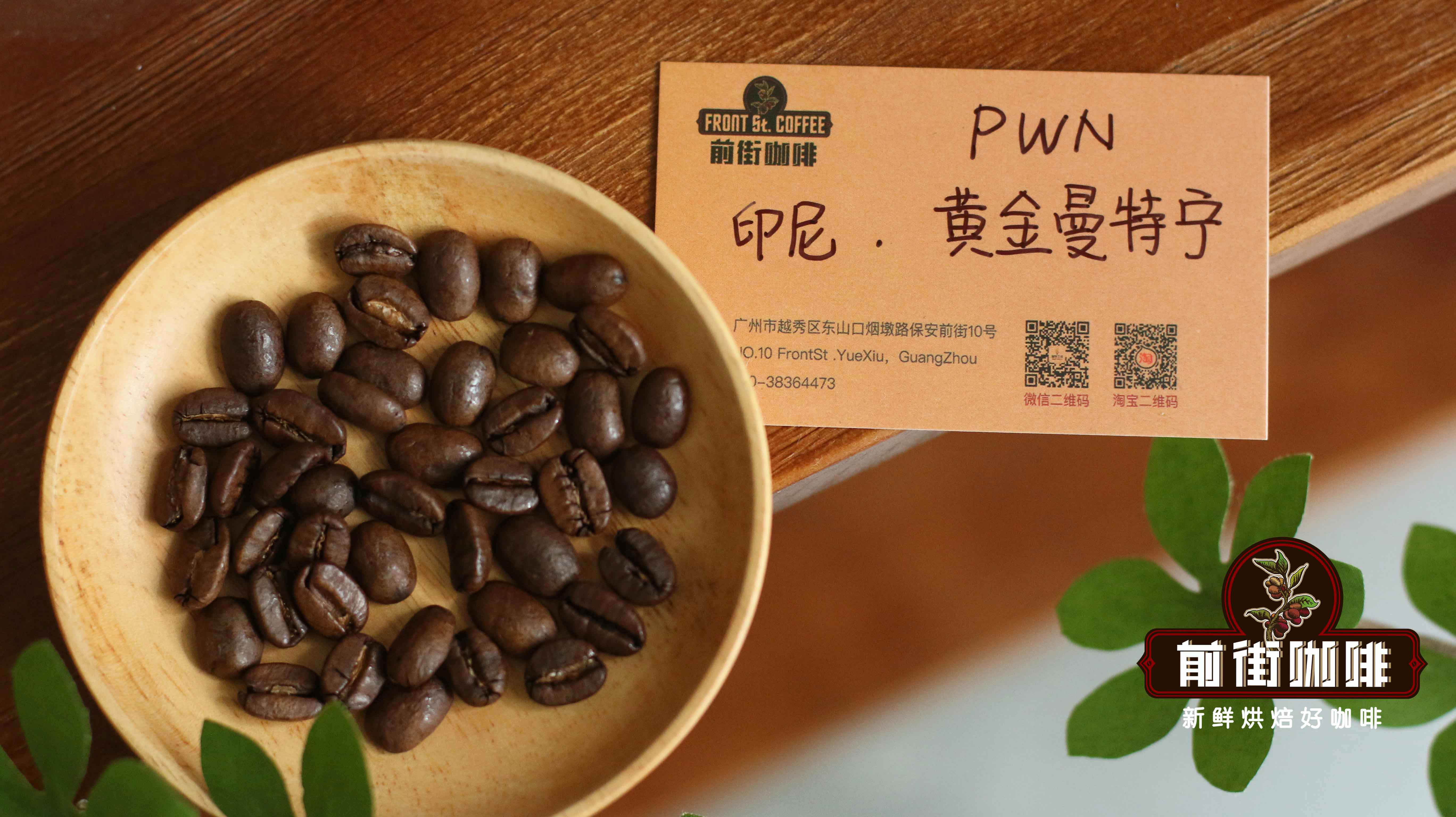
The Difference Between Indonesian Mandheling and Golden Mandheling: PWN Certification, Sorting Process, and Price Factors Explained
Golden Mandheling is a highly respected name in the coffee world, yet few people have actually tasted the authentic version. The market is flooded with all kinds of coffee beans marketed under the banner of "Golden Mandheling," with prices varying widely from high to low, making it difficult for consumers to tell them apart. This article will walk you through the origins of Golden Mandheling—it is not simply about "large beans and few defects," but rather stems from the strict standards of Indonesia's PWN green bean company. We will also analyze PWN's five-stage screening process, the goat-hoof bean problem caused by the wet-hulling method, and why authentic Golden Mandheling commands a higher price than ordinary Mandheling. At the same time, Front Street Coffee will share how to distinguish the genuine article through certificates and burlap sack numbers, along with hand-brewed flavor notes for PWN Golden Mandheling, to help you make a wiser decision when purchasing. [more…]
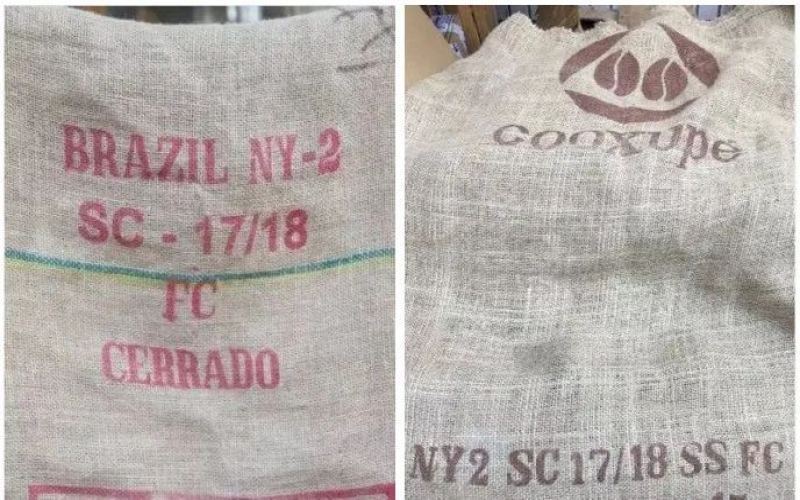
What Do SS and FC Mean on Brazilian Coffee Sacks? A Full Breakdown of Brazil's Green Coffee Grading System
Brazil, as the world's largest coffee producer, accounts for about one-third of the global market in exports. Its beans have a flavor profile that is low in acidity and high in sweetness, with a full-bodied mouthfeel, and they are often used in coffee blends. When purchasing Brazilian green beans, you will often see markings such as "CERRADO NY-2 SC-17/18 SS FC" printed on the burlap sacks, where every letter and number corresponds to strict grading information. These codes are established by the Brazilian Ministry of Agriculture, Livestock and Supply (MAPA) and cover five major dimensions: producing region, defect rate, screen size, cup score, and sensory grade. This article will break down the meanings of symbols such as "SS" and "FC" one by one to help coffee enthusiasts understand the complete quality profile of Brazilian beans. [more…]
What is the difference between Indonesian Mandheling and Golden Mandheling? One article explains the origin and identification of authentic PWN Golden Mandheling
Golden Mandheling is a name that many coffee lovers delight in talking about, but the market is flooded with a mix of genuine and fake products, and getting an authentic one is not easy. This article starts with the origins of Mandheling, sorts out the terroir and variety changes of Sumatra's two core producing regions—Aceh and Lintong—and then takes a deeper look at the history of the Golden Mandheling trademark, explaining why only the Indonesian company PWN produces the authentic version. It also introduces PWN's rigorous five-stage sorting standards, the background of the Ateng variety, and Front Street Coffee's roasting curve and three-stage brewing parameters, helping readers build a comprehensive knowledge framework for identifying and tasting authentic Golden Mandheling, from certificates and burlap sacks to the flavors in the cup. [more…]
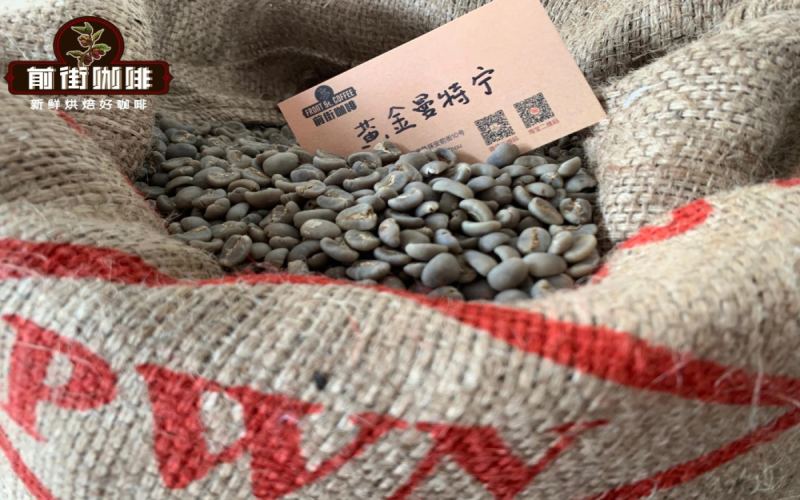
Mandheling Pour-Over Coffee Parameters | What Is Golden Mandheling? What Are the Flavor and Mouthfeel Characteristics of Golden Mandheling Coffee Beans? How Do You Identify Authentic PWN Golden Mandheling?
Front Street Golden Mandheling coffee beans are both familiar and unfamiliar to many coffee lovers. They are familiar because you often hear praise for them among coffee enthusiasts. They are unfamiliar because there are too many counterfeit Golden Mandheling coffee beans on the market, and drinking authentic Golden Mandheling coffee is a difficult thing. What is Golden Mandheling coffee? [more…]
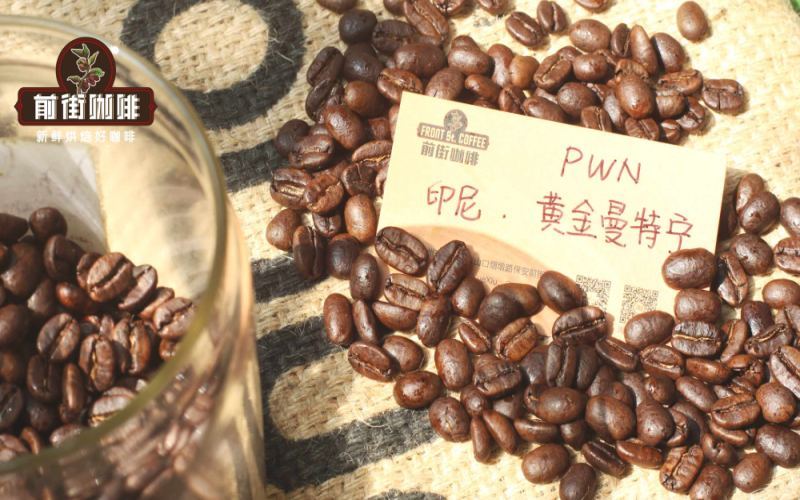
Is Mandheling Worthy of Being Called the World's Most Full-Bodied Coffee? A Complete Analysis of Flavor Characteristics and Variety Distinctions
Mandheling is often dubbed "the world's fullest-bodied coffee," but what does its flavor profile actually look like? This article centers on Front Street Mandheling, describing it across dimensions such as mouthfeel, body, acidity, and herbal aroma, and also sorts out how Mandheling is classified. The article focuses on the origin of Front Street PWN Golden Mandheling and PWN's processing procedures, including wet-hulling, one mechanical sorting plus three rounds of hand sorting, the G1 grade requirement, and the specification of 18 mesh and above. It also explains how to identify Golden Mandheling as a PWN registered trademark, such as certification certificates and green bean jute sacks printed with the company logo, helping readers gain a comprehensive understanding of the Mandheling quality system. [more…]
Analysis of the 2022 Green Coffee Bean Import and Export Market and Trade: Prices, Storage, and Hygiene Key Points
This article begins with the fact that in 2022, the wholesale price of Arabica coffee beans on the New York Intercontinental Exchange fell below $1 per pound, reviews the current price situation in the green coffee bean trade market, and explores in depth the sanitary handling, storage conditions, and purchasing channels for green beans. The article also offers suggestions on practical issues such as green bean washing and temperature and humidity control, while reminding industry practitioners to raise their awareness of coffee bean food safety, helping coffee enthusiasts and industry professionals gain a more comprehensive understanding of the key stages of green beans from import to before roasting. [more…]
Front Street PWN Golden Mandheling Medium-Dark Roast Pour-Over Full Guide: From Authenticity Verification to Brewing Parameters and Flavor Performance
Golden Mandheling is highly praised by coffee enthusiasts, but there are many counterfeit products on the market, and it is not easy to drink authentic Front Street PWN Golden Mandheling. This article will start with the origin of Golden Mandheling and the background of the PWN trademark, explain how to identify authentic Front Street Golden Mandheling coffee beans, the screening standards of the PWN green bean company, and the origins of the Ateng variety, and share in detail Front Street's roasting curve and pour-over parameters. The brewing section covers the choice of dripper, coffee dose, coffee-to-water ratio, grind size, water temperature, and the three-stage pouring method, and finally gives a flavor and mouthfeel description of Front Street PWN Golden Mandheling to help you gain a more complete understanding of this Mandheling with a prominent mellow sweetness. [more…]
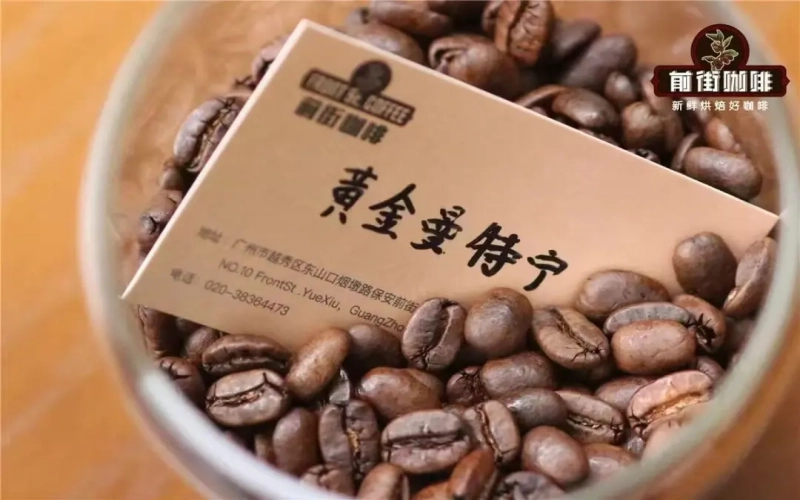
What is the difference between Sumatra Mandheling and Golden Mandheling? How to identify the authenticity of Golden Mandheling
Mandheling is neither a coffee variety name nor a region name, but a general term for coffee produced on the island of Sumatra. Within this vast family, Golden Mandheling stands out thanks to stricter screening standards—19 mesh or above, three rounds of hand sorting plus one round of machine sorting, resulting in an extremely low defect rate. This set of standards was pioneered by PWN, which later registered "Golden Mandheling" as an exclusive trademark and set up dual anti-counterfeiting measures with certification certificates and burlap sack markings. This article will sort out the origins of Mandheling, the logic behind the birth of Golden Mandheling, and methods for verifying authenticity, and through cupping comparisons of the flavor differences between everyday Mandheling and Golden Mandheling, help you identify true Golden Mandheling. [more…]
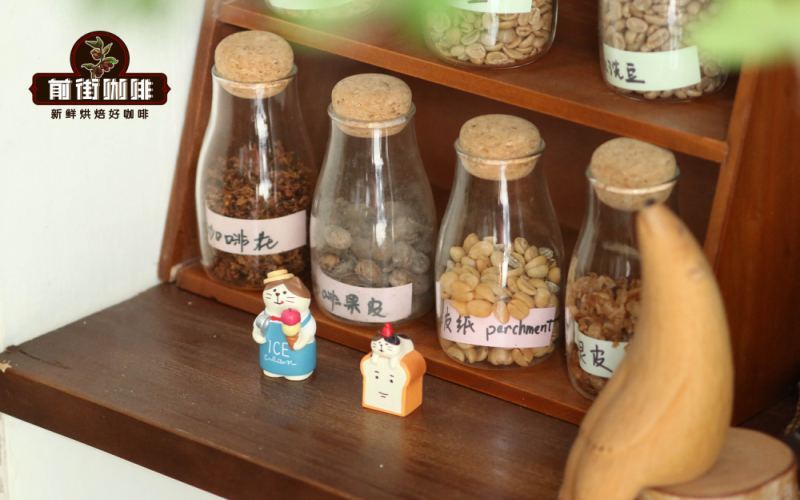
An Analysis of the Characteristics of Brazil's Cerrado Coffee Region: A Comprehensive Description of Pour-Over Parameters and Flavor Profile
As the world's largest coffee producer, Brazil's coffee cultivation history, producing regions, and grading system are all worth exploring in depth. This article, from the perspective of Front Street Coffee, outlines the origin story of Brazilian coffee, the meaning of the grade markings on raw bean burlap sacks, and the terroir differences among the six major producing regions, with a focus on the characteristics of the Cerrado region. At the same time, the article also compares the flavor differences between Brazilian and Colombian coffee, and includes specific information and pour-over parameters for Front Street Coffee's Brazilian Cerrado everyday drinking beans, helping coffee enthusiasts brew a cup of low-acidity, full-bodied Brazilian coffee with nutty and chocolate sweetness at home. [more…]
A Comprehensive Analysis of Jamaica Blue Mountain Coffee's Core Producing Regions and Renowned Estates
Jamaican Blue Mountain coffee is renowned worldwide for its exceptional quality, and the stylistic differences among various producing regions and estates often determine the caliber of flavor in the cup. This article will systematically review the main producing origins of Blue Mountain coffee, including representative estates such as Wallenford, Amber, MoyHall, and Mavis Bank, comparing their output, packaging, market destinations, and quality tiers. At the same time, we will also introduce the Clifton Estate Blue Mountain No. 1 purchased by Front Street Coffee, covering everything from the estate's background and certification information to its flavor performance, giving you a comprehensive understanding of what makes this top-tier Blue Mountain coffee so unique. [more…]
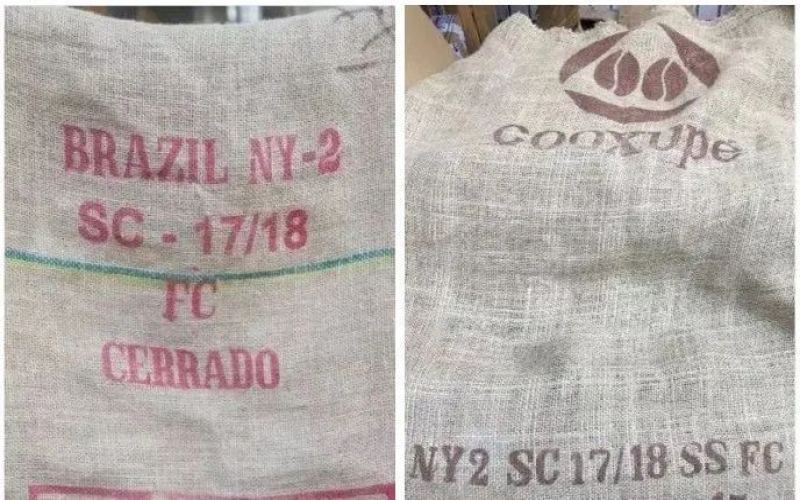
An Analysis of the Brazilian Green Coffee Grading System: From Origin Designations to NY2 — Why Is There No NY1?
On the burlap sacks of Brazilian coffee, a string of seemingly complex codes is often printed, such as "CERRADO NY-2 SC-17/18 SS FC". These letters and numbers are not arranged at random, but are green bean grading information established by the Brazilian Ministry of Agriculture, Livestock and Supply (MAPA), covering region of origin, defect level, screen size, cup performance and sensory grade. Among them, the defect grading starts with "NY", but why does it only go as high as NY2, with no NY1? Behind this lies both historical origins and a close connection to the industrial production characteristics of Brazilian coffee. This article will break down this grading system one by one, and introduce several classic espresso blends from Front Street Coffee that contain Brazilian beans, along with their espresso extraction parameters. [more…]
Understanding Coffee Bean Grading Standards Through Blue Mountain Coffee: Screen Size, Barrel Packaging, and Export Regulations Explained
Jamaican Blue Mountain coffee is globally recognized as one of the top coffees, but do you know how it is graded? This article will guide you through the basis for grading Blue Mountain coffee—screen size—and the strict cupping confirmation process. From No. 1 to No. 3, coffee beans of different screen sizes show no difference in taste, but there is a distinction between wooden barrels and burlap sacks for green bean packaging. Barrel-packed Blue Mountain coffee also comes with a certificate of origin, and the barrel is printed with information about the estate and importer. In addition, the Jamaican government has clear regulations on the export of defective beans and coffee beans with taste issues. Front Street Coffee reminds you that understanding this grading knowledge helps in identifying authentic Blue Mountain coffee. [more…]
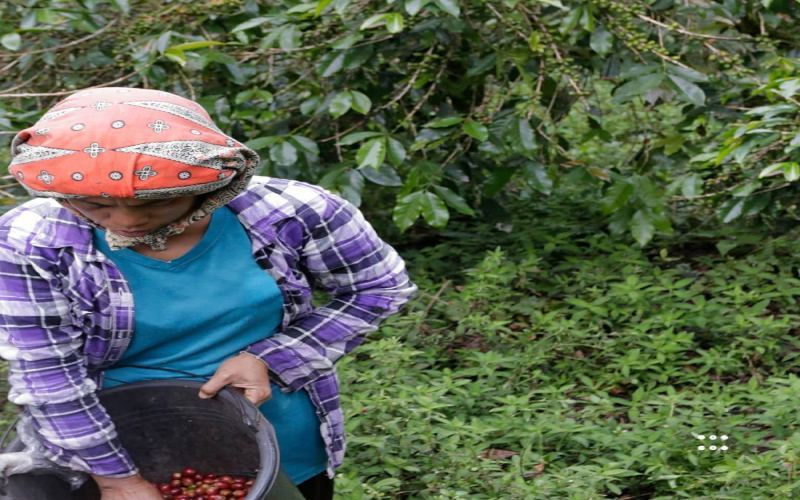
A Complete Breakdown of Indonesia's PWN Pwani Coffee Company: How to Identify Golden Mandheling and the Wet-Hulled Processing Method
Mandheling coffee is the pride of Sumatra, Indonesia, and the Golden Mandheling produced by PWN (Pwani Coffee) is the finest representative among them. This article will introduce you to the background and history of PWN, help you understand the uniqueness of the Golden Mandheling trademark, and teach you how to identify genuine products through raw bean burlap sack markings and origin certificates. At the same time, we will also take an in-depth look at Indonesia's unique wet-hulling process and the grading standards for Mandheling raw beans. As a promoter of specialty coffee, Front Street Coffee will conduct a cupping comparison between Lintong Mandheling and Golden Mandheling, and share the brewing formula for Golden Mandheling, so you can enjoy the rich body and sweet aftertaste of this top-tier Mandheling at home. [more…]
Why Jamaican Blue Mountain Coffee Is Packaged in Wooden Barrels: An In-Depth Analysis from Historical Origins to Quality Assurance
Green coffee beans are usually transported in burlap sacks, but Jamaican Blue Mountain coffee has always been shipped in wooden barrels. This unique tradition has both historical roots and implications for quality assurance. Front Street Coffee will provide a comprehensive explanation of what makes Blue Mountain coffee unique, covering the origins of barrel packaging, the characteristics of the wood, the Rainforest Alliance certification mark, and Blue Mountain coffee's certificate system, estate background, processing methods, and varietal characteristics. At the same time, Front Street Coffee will also share the brewing parameters and flavor profiles of two Blue Mountain No. 1 coffees—one washed and one natural—to give you an in-depth look at every detail of this top-tier coffee. [more…]
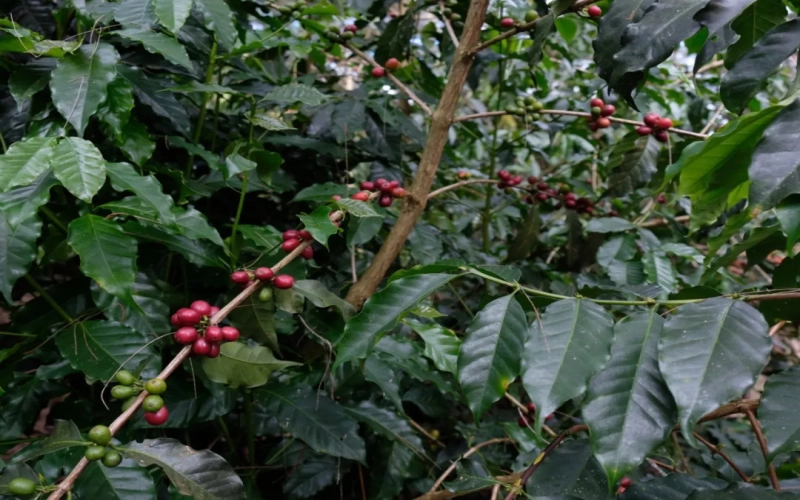
A Complete Analysis of the Bird of Paradise Coffee Beans from Sigri Estate in the Western Highlands of Papua New Guinea
Papua New Guinea is known as "Little Blue Mountain" because it introduced Jamaican Blue Mountain Typica, and its Western Highlands production area is the core of the country's coffee industry. Since its establishment in 1950, Sigri Estate has relied on the volcanic soil and cool climate above 1,500 meters in the Waghi Valley, insisting on pesticide-free cultivation and hand-picking, and since 1957 it has introduced the Blue Mountain Typica variety, using the national bird, the bird of paradise, as its burlap sack mark. This washed Typica launched by Front Street Coffee presents caramel, cocoa, almond notes and citrus acidity after medium-dark roasting, with a mellow and balanced taste. This article will systematically introduce the country's coffee-growing conditions, the terroir advantages of the Western Highlands, and the history and pursuit of quality of Sigri Estate. [more…]
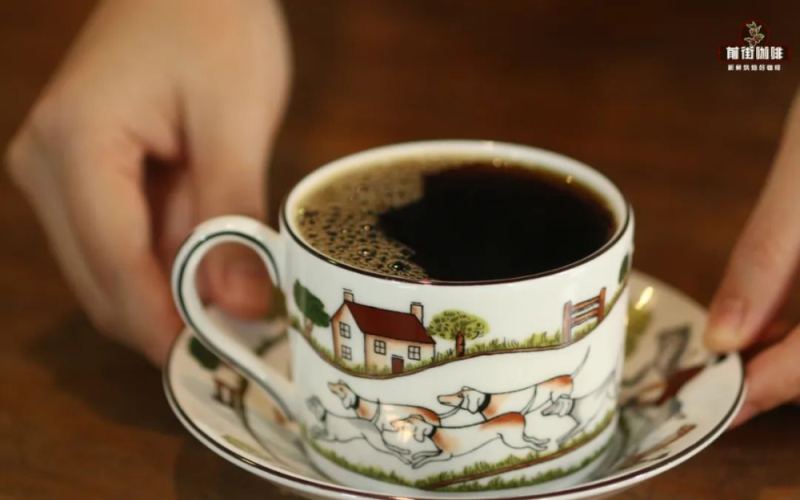
Why Has Harar Coffee Gone from One of the Big Three Regions to Scarce? A Deep Dive into Its Historical Origins and Current Situation
Harar was once known, alongside Sidamo and Yirgacheffe, as one of Ethiopia's three major coffee regions, and it took the world by storm with its wild chocolate and red wine fermentation flavors. Yet today it is rarely seen on the market. This article begins with the historical origins of Yemen's Port of Mocha, traces the rise of Harar coffee, and takes a deep look at the multiple reasons behind its sharp decline in production, unstable quality, and the imbalance between price and quality, giving you a clear view of the entire process by which this legendary region fell from prosperity to decline. Finally, it includes the store information for Front Street Coffee. [more…]
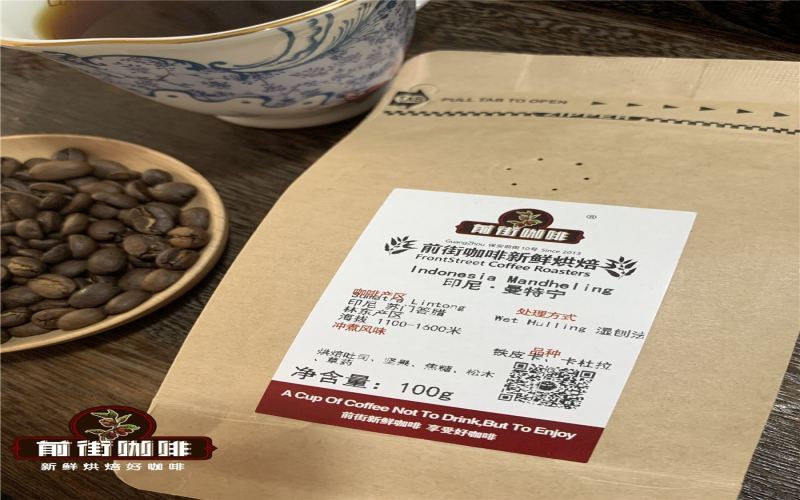
The Origin of the Golden Mandheling Name and an Analysis of the Ateng Variety's Flavor: From Wet-Hulling Process to Front Street Coffee Brewing Recommendations
The name Mandheling does not come from a place of origin or a bean variety, but is a mispronunciation of the Indonesian Mandailing people. After World War II, a Japanese soldier brought this rich, aromatic coffee back to Japan, and Mandheling has been famous ever since. Golden Mandheling, on the other hand, is closely tied to the PWN company, which has contracted high-quality Mandheling-producing regions in Indonesia and enforces strict hand-sorting standards. The Golden Mandheling on Front Street Coffee's bean list comes from PWN, and the shop even displays raw bean burlap sacks and certification certificates. This article will sort out the origin of the name Golden Mandheling, the characteristics of the Ateng variety, and the details of the wet-hulling process, and will also include Front Street Coffee's barista pour-over parameters and three-stage pouring method, to give you a comprehensive understanding of this full-bodied coffee. [more…]